


Our goal is to use the materials generated by our operations as efficiently as possible and to promote their reuse. In 2025, 99.98 per cent of all waste generated on board Viking Line's vessels was recycled.
Circular Economy and Waste Management On Board
Waste Management Guided by a Life Cycle Perspective
We strive to use the materials that pass through our operations as efficiently as possible and to promote reuse. In 2025, 99.98 per cent of all our waste was recycled. Waste generated on board is transported ashore for recycling, energy recovery, landfill disposal, composting or other approved forms of final treatment.
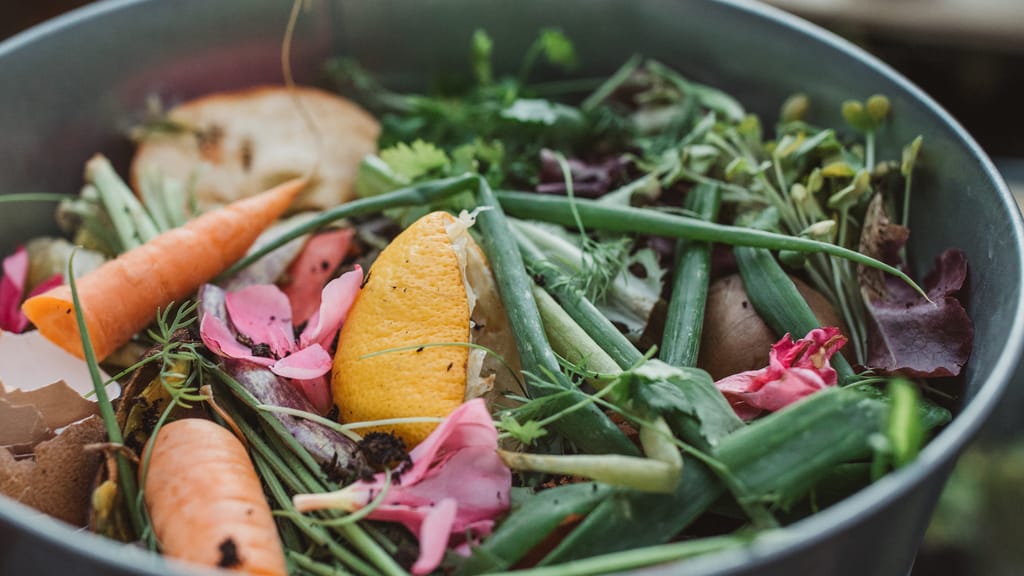
Food Waste. On Viking XPRS, Viking Grace and Viking Glory, food waste is collected and used as a feedstock for biogas production. In 2025, a total of 2,026 tonnes of food waste was collected from these three vessels. Converted into biogas, its energy content corresponds to approximately 523,000 litres of diesel. In spring 2024, we began collaborating with VG EcoFuel to collect used coffee grounds as a raw material for horticultural compost. The coffee grounds are used in the production of Berner Oy's GreenCare horticultural compost.
Carpets. Since 2014, nearly 94,000 kg of carpet flooring has been returned from the company's vessels to the flooring manufacturer Tarkett. Several years ago, the company launched a programme for its business customers whereby used carpets are collected and recycled into raw materials for the production of new carpets.
Textile recycling. At the end of 2022, Viking Line entered into an agreement with the Finnish company Rester Oy for the collection and recycling of end-of-life textiles. Textiles from the vessels are recycled into fibres that can be used in the production of new materials.
Recycled from vessels in 2025
244 tonnes of glass packaging. When recycled glass is melted down to make new glass, the process consumes 20% less energy than starting from sand, soda ash and limestone as raw materials. Glass packaging can be recycled any number of times without deteriorating in quality.
77 tonnes of scrap metal. Recycling of steel, for example from food tins, consumes 75% cent less energy than production from iron ore.
445 tonnes of paper and cardboard. As a result of recycling, we do not need to cut down as many new trees. A tonne of recycled paper is equivalent to about 14 trees. Paper can be recycled around seven times.
Waste category |
Waste collection |
Reception facilities |
| Mixed municipal waste Biowaste |
Containers, tanks | Waste incineration plants, landfill site, biogas plants |
|
Recycling Glass Cardboard, paper |
Containers | Recycling centres |
| Hazardous waste Solid oil remains Paint, glue Accumulators, batteries Fluorescent lamps Alkali, acids Solvents Drums, canisters Miscellaneous |
Hazardous waste containers | Hazardous material processing plants |
| Grey, black and bilge water | Tanks on board | Municipal wastewater treatment plants |
| Sludge | Tanks on board | Used oil recycling centres |
Wastewater Treated Ashore
All wastewater and bilge water generated on board Viking Line’s vessels is collected and treated ashore at treatment facilities in the ports. The wastewater generated on board includes greywater, blackwater and oily bilge water.
Although international regulations permit certain types of wastewater to be discharged at sea under specific conditions, Viking Line delivers all its wastewater and bilge water ashore for treatment.